
Call us now :08045802660
 Send Inquiry
 Send Inquiry
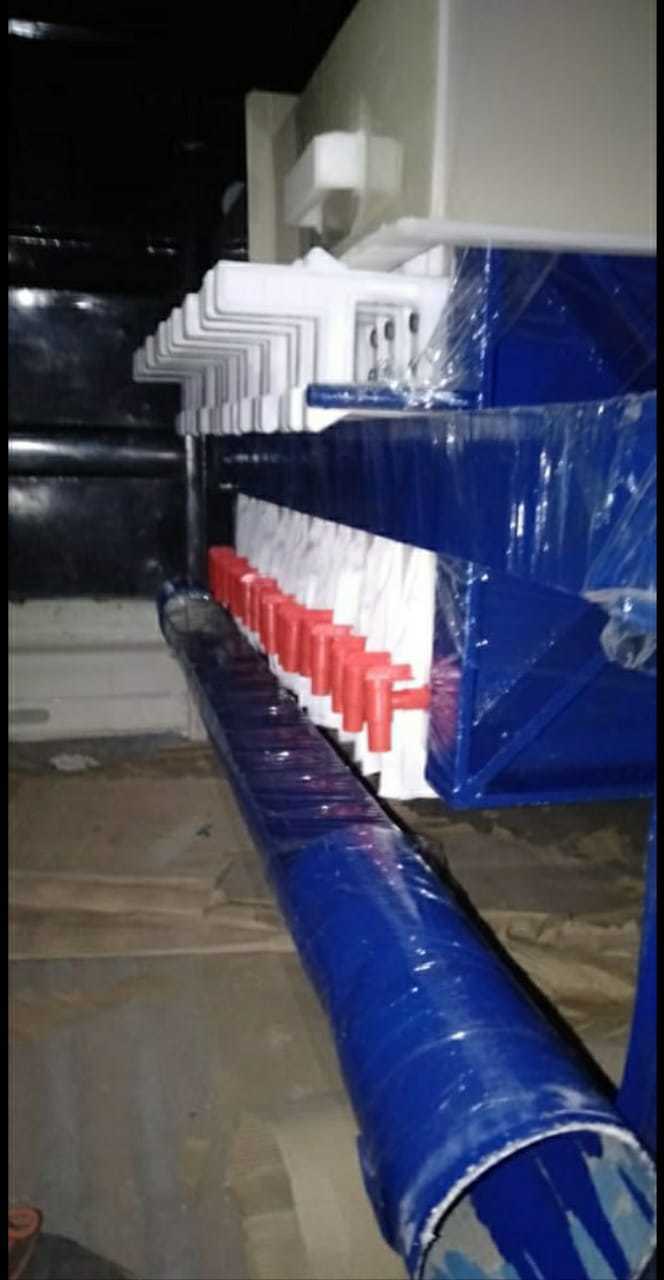
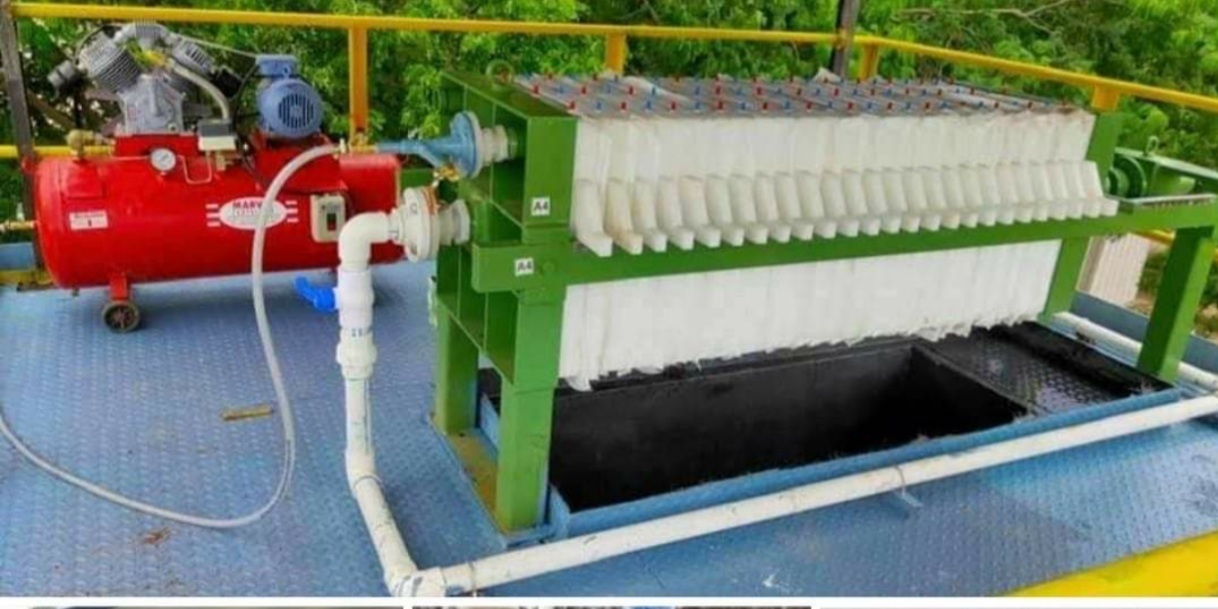
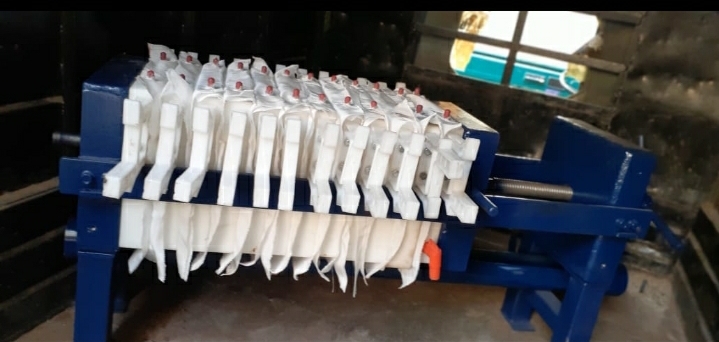
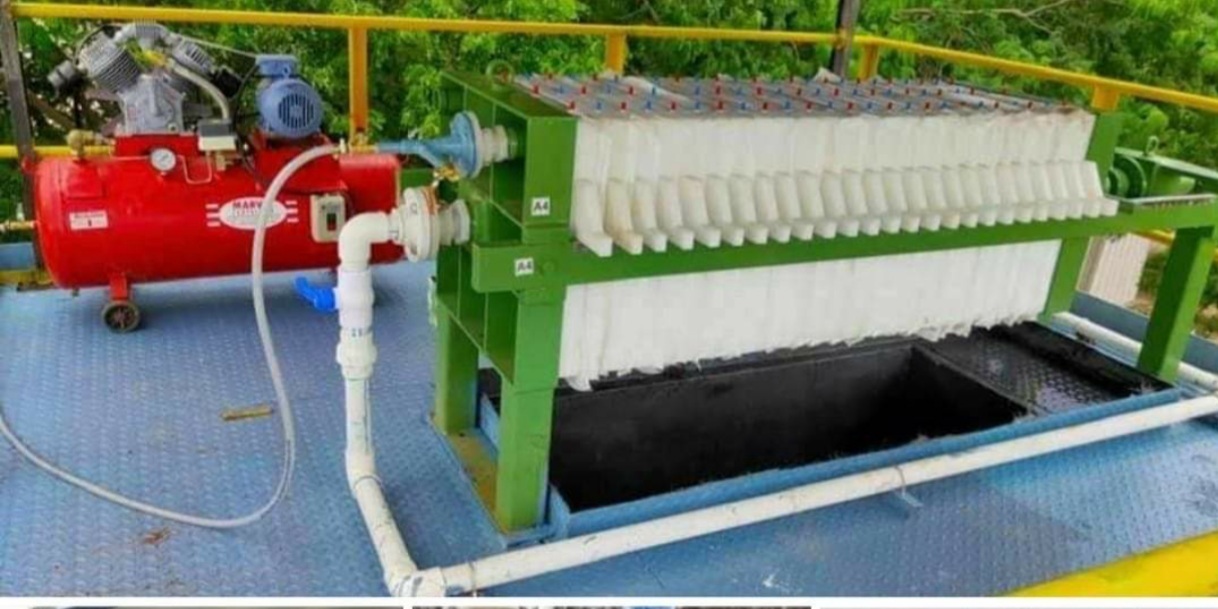
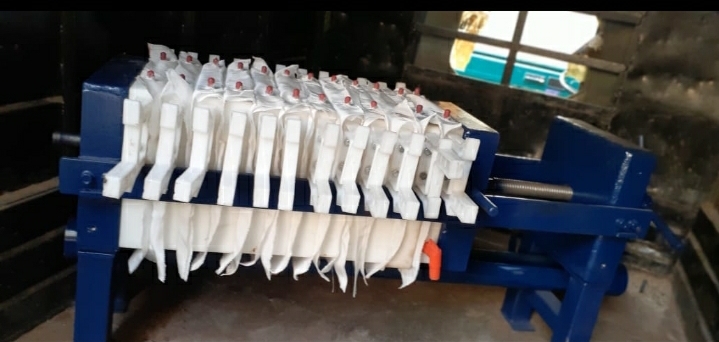
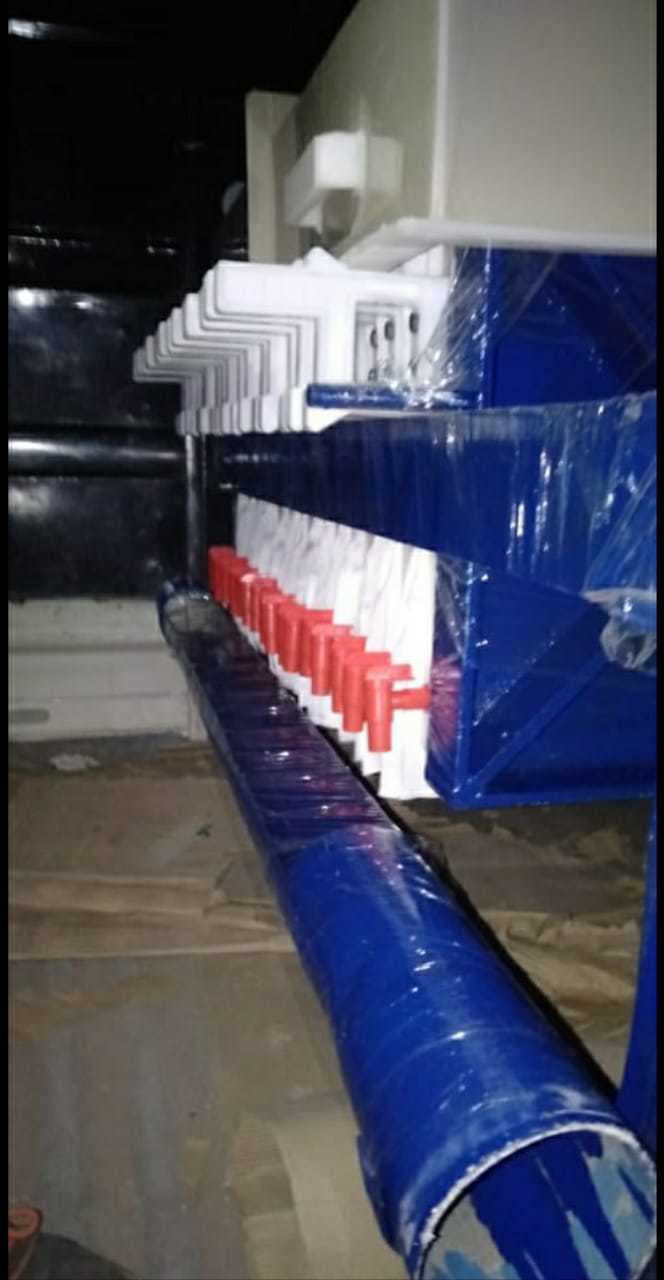
Filter Press
Price 220 INR/ Set
MOQ : 1 Set
Filter Press Specification
- Water in conductivity
- Varies with source (up to 2000 S/cm)
- Technology
- Mechanical Filtration
- Usage & Applications
- Effluent Treatment, Chemical Industry, Food & Beverage, Pharma
- Flow Rate
- Up to 10000 L/hr
- Frequency
- 50/60 Hz Hertz (HZ)
- Noise Level
- <75 dB db
- Power Consumption
- 1-10 kW Kilowatt (kW)
- Ph Level
- 2-12
- Pump Type
- Sludge / Centrifugal Pump
- Water Out Conductivity
- <10 S/cm
- Recycle Rate
- Up to 95%
- Feature
- Corrosion Resistant, Low Maintenance, Easy Operation, Rugged Construction
- Efficiency (%)
- 95-99%
- Material
- Mild Steel, Polypropylene
- Product Type
- Plate and Frame Filter Press
- Power Source
- Electric
- Automatic Grade
- Semi-Automatic / Automatic
- Voltage
- 220-380 V Volt (v)
- Drive Type
- Hydraulic / Manual
- Volume
- 100-10000 L Liter (L)
- Purity Level
- Up to 99%
- Water Source
- Industrial, Municipal, Borewell, River Water
- Filter Type
- Plate & Frame Filter Plates
- Capacity
- Up to 10000 LPH Ltr
- Installation Type
- Floor Mounted
- Number of Plates
- 10-100 as per model
- Connection Type
- Flanged
- Control Panel
- Digital / Manual
- Color
- Blue / Customizable
- Application Industries
- Textile, Sugar, Mining, Brewery, Edible Oil, Oil Refinery
- Inlet Pressure
- 0.4-0.7 MPa
- Discharge System
- Automatic Cake Discharge
- Max Operating Pressure
- Up to 7 bar
- Filter Cloth Material
- Polypropylene / Polyester
- Cake Thickness
- 30 mm
- Plate Size
- 470 x 470 mm to 1500 x 1500 mm
- Temperature Range
- 5C to 80C
Filter Press Trade Information
- Minimum Order Quantity
- 1 Set
- Supply Ability
- 5 Sets Per Day
- Delivery Time
- 7 Days
- Sample Policy
- Sample costs shipping and taxes has to be paid by the buyer
- Main Export Market(s)
- Australia, North America, Eastern Europe, Middle East, Africa, Central America, South America, Asia, Western Europe
- Main Domestic Market
- All India
About Filter Press
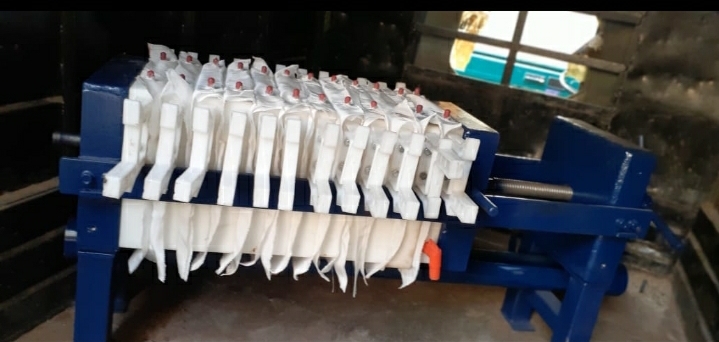
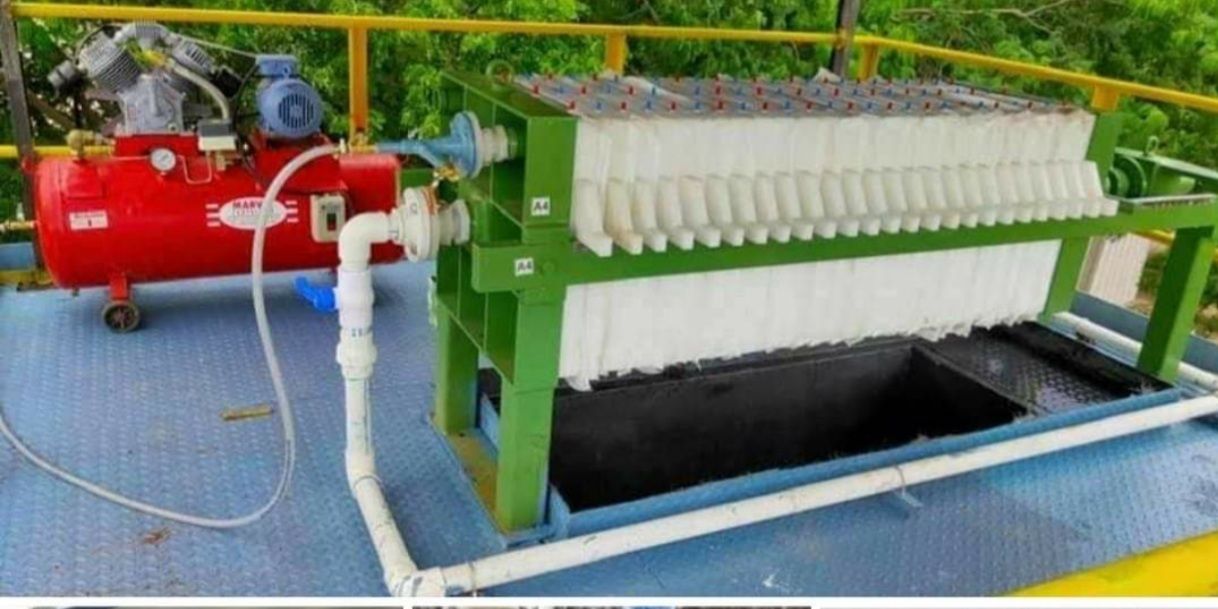
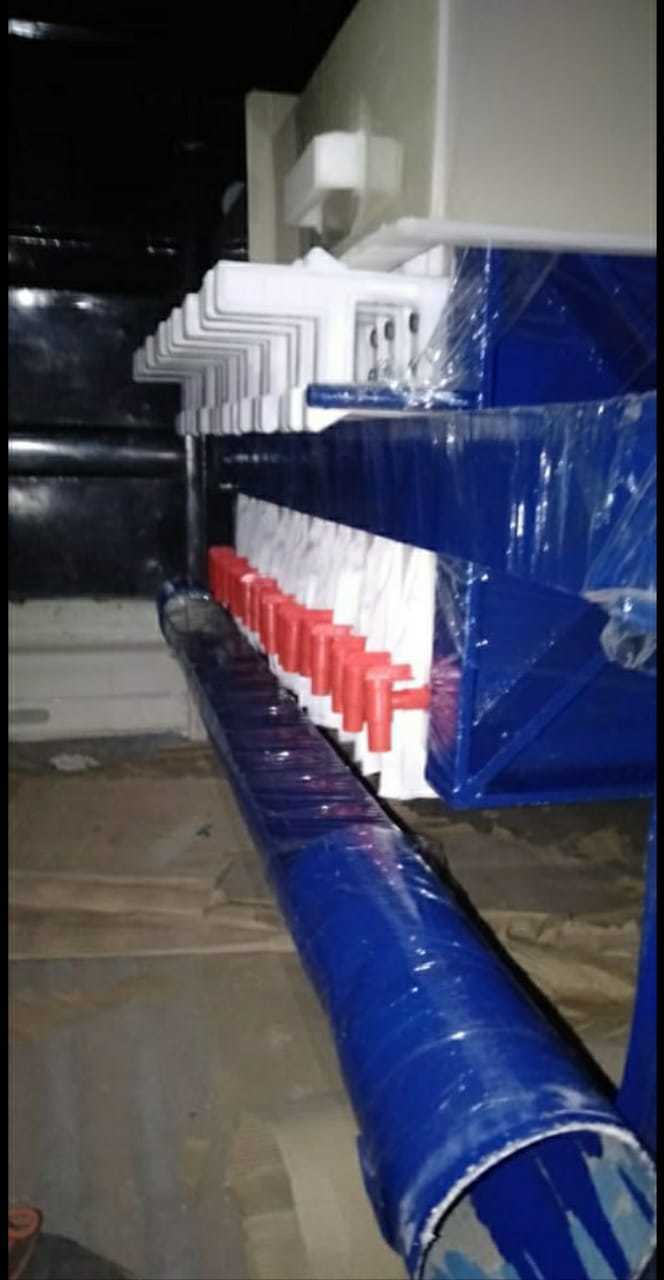
Use for oil filtration, Chemical filtration, Water treatment plant & Liquid filtration We have been carved a niche in dealing a premium range of Industrial Filter Press Machine. It is well developed with a latest techniques and tools to ensure a great performance. Moreover, provided machine is ideally used for the separation process. This machine is easy to discrete the liquid into a reliable manner. Industrial Filter Press Machine is suitable for the wastewater treatment process in varied industrial applications. It doesnt need any extra maintenance and repairing.
Other details:-
Brand SHARAFAT FILTRATION
Automation Grade Manual
Filtration Capacity 1-500
No Of Plates 12 plates
Filter Area 300-400
Engineered for Performance and Durability
Built with rugged materials like mild steel and polypropylene, this filter press excels in harsh industrial environments. Its corrosion-resistant frame, automatic or manual hydraulic drive, and high-purity performance ensure consistent operations with low maintenance. The design accommodates large volumes and high flow rates, ensuring effective filtration for various applications.
Flexible and User-Friendly Operation
The filter press offers both digital and manual control options, making it adaptable to diverse operator preferences. Its automatic cake discharge streamlines filtration cycles, while the straightforward installation type and customizable features facilitate easy integration into existing setups. The efficient plate and frame design guarantees maximum throughput with minimal downtime.
Wide-Ranging Industrial Applications
Serving industries such as chemical, food & beverage, pharmaceutical, and water recycling, this filter press is highly versatile. It functions efficiently across pH levels of 2-12, processes up to 10,000 liters per hour, and handles varying water sources. Its robust build and high recycling rate make it an invaluable asset for sustainable and reliable filtration solutions.
FAQ's of Filter Press:
Q: How does the automatic cake discharge system enhance the filter press operation?
A: The automatic cake discharge system simplifies the removal of solid cakes from the filter plates, minimizing manual labor and reducing downtime between filtration cycles. This automation increases throughput and makes the filtration process more efficient for continuous or large-scale operations.Q: What industries benefit most from this filter press?
A: This filter press is ideal for industries such as textile, sugar, mining, brewery, edible oil, oil refineries, chemical processing, food & beverage, pharmaceuticals, and effluent treatment, thanks to its high efficiency, corrosion resistance, and adaptability to diverse filtration needs.Q: When should I consider using a larger plate size or increasing the number of plates?
A: Larger plate sizes or a greater number of plates are recommended when you require higher filtration capacity or need to process larger volumes (up to 10,000 liters). This flexibility allows customization to meet the specific demands of your application, whether it's increased throughput or longer filtration cycles.Q: Where can the filter press be installed, and what installation types are available?
A: The filter press is floor-mounted for stable installations and can be set up in factories, treatment plants, or industrial zones that handle effluents or chemical processing. Its robust design ensures easy integration into various infrastructures, offering compatibility with industrial, municipal, borewell, and river water sources.Q: What are the benefits of using polypropylene or polyester filter cloths?
A: Polypropylene and polyester filter cloths are highly durable, chemically resistant, and suitable for a broad range of temperatures (5C to 80C). They ensure effective filtration, easy cake release, and longevity, making them ideal for repeated use in demanding industrial environments.Q: How does the mechanical filtration technology work in this system?
A: Mechanical filtration is achieved through plate and frame filter plates, where suspended solids are trapped by the filter cloth as liquid passes through. The process results in a solid cake and clear filtrate, providing high purity levels up to 99% while handling a wide conductivity range in different water sources.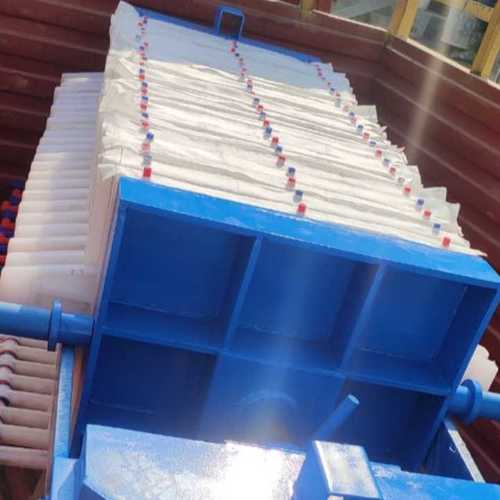
Tell us about your requirement

Price:
Quantity
Select Unit
- 50
- 100
- 200
- 250
- 500
- 1000+
Additional detail
Mobile number
Email

More Products in Water Treatment Plant Category
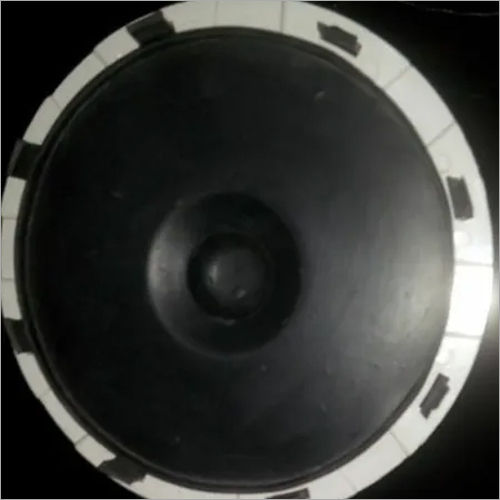
Fine Bubble Coarse Diffuser
Price 80 - 200 INR / Piece
Minimum Order Quantity : 10 Pieces
Material : EPDM Rubber / ABS / Polypropylene
Automatic Grade : Manual
Usage & Applications : Wastewater Treatment, Aeration, Sewage Plants
Flow Rate : 0.65 m3/h
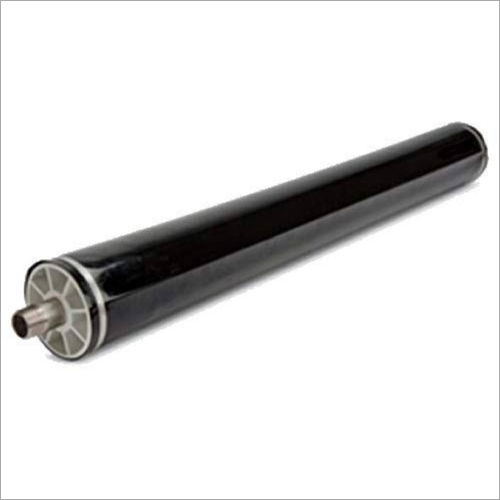
Fine Tube Bubble Diffuser
Price 500.00 INR / Piece
Minimum Order Quantity : 10 Pieces
Material : EPDM Rubber / Silicone / Polyurethane
Automatic Grade : Manual
Usage & Applications : Wastewater Treatment, Sewage Treatment Plants, Aquaculture
Flow Rate : Variable (usually 18 m3/h)
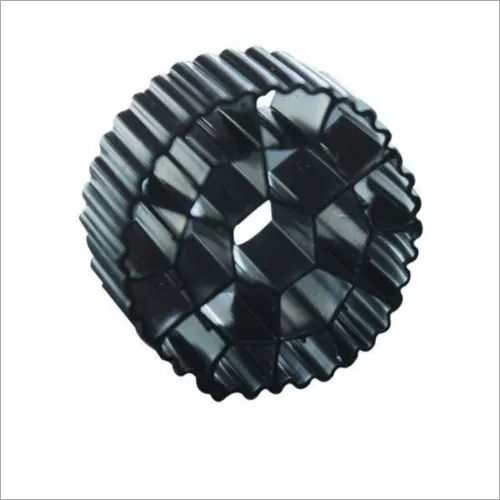
M B B R Filter Media
Price 4000 INR / Meter
Minimum Order Quantity : 1 , , Meter
Material : Virgin Polypropylene (PP)
Automatic Grade : Other, Automatic
Usage & Applications : STP, ETP, Aquaculture, Industrial & Municipal Wastewater Treatment
Flow Rate : Upto 5 m3/hr (or Customizable)
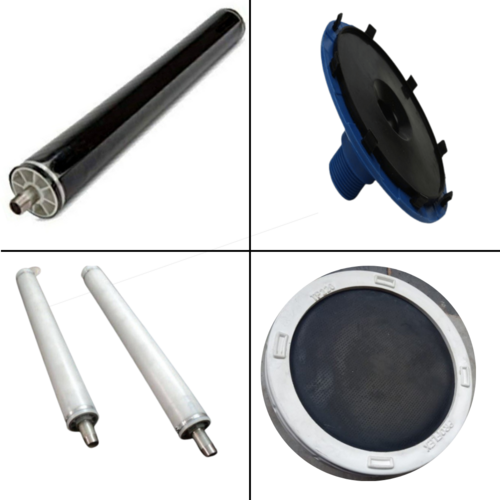
Fine Bubble Diffuser
Price 120.00 INR / Piece
Minimum Order Quantity : 10 Pieces
Material : MS
Automatic Grade : Manual

 Send Inquiry

Plot No.C 225, Vanadana Vihar, Nangloi, Near Gorakh Nath Mandir,New Delhi - 110041, India

Mr. Sharafat
(Proprietor)
Mobile :08045802660
 Send Inquiry
 Send SMS
Developed and Managed by Infocom Network Private Limited.
